We build the software
we wish existed.
Add-ons for Claude Code, Codex and Copilot, plus a few everyday tools. Most are free and open source.
The work
29 products, all ours, designed, shipped, and operated in-house. No clients: we'd rather build the things we wish existed.
Flagships
Where most people start.

SageThumbs 2K
Windows UtilityFree for personal use · work from US$2.99/moThumbnails for the formats Windows can't read.
Real thumbnails in File Explorer for iPhone photos (HEIC), camera RAW, Photoshop, video and hundreds more, plus right-click tools to convert, resize and batch-rename.
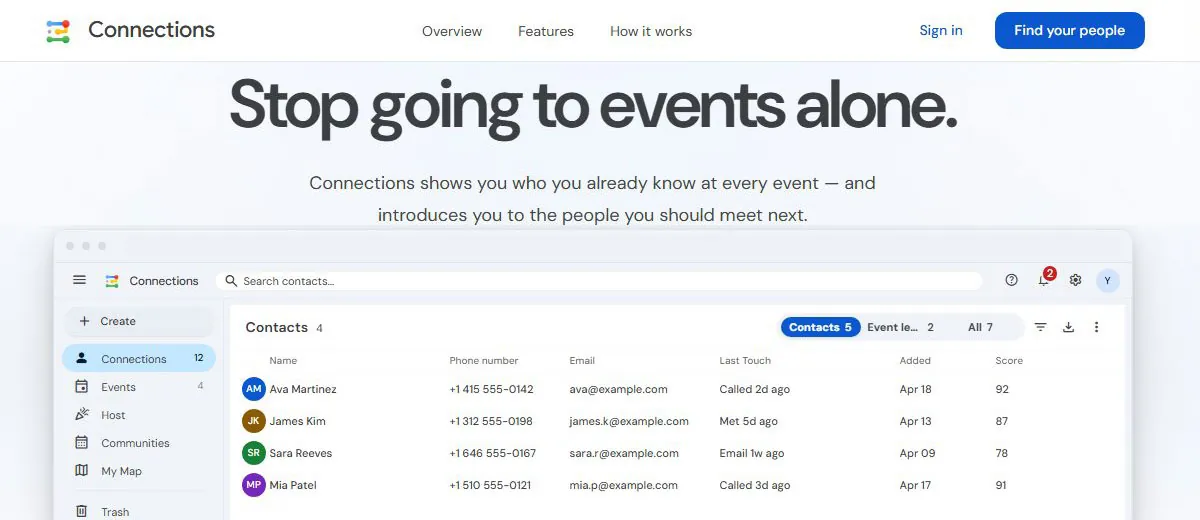
Connections
Web AppFree planYour relationships, organized and always warm.
A relationship workspace bringing contacts, shared calendars, follow-ups, events and warm introductions together in one place.
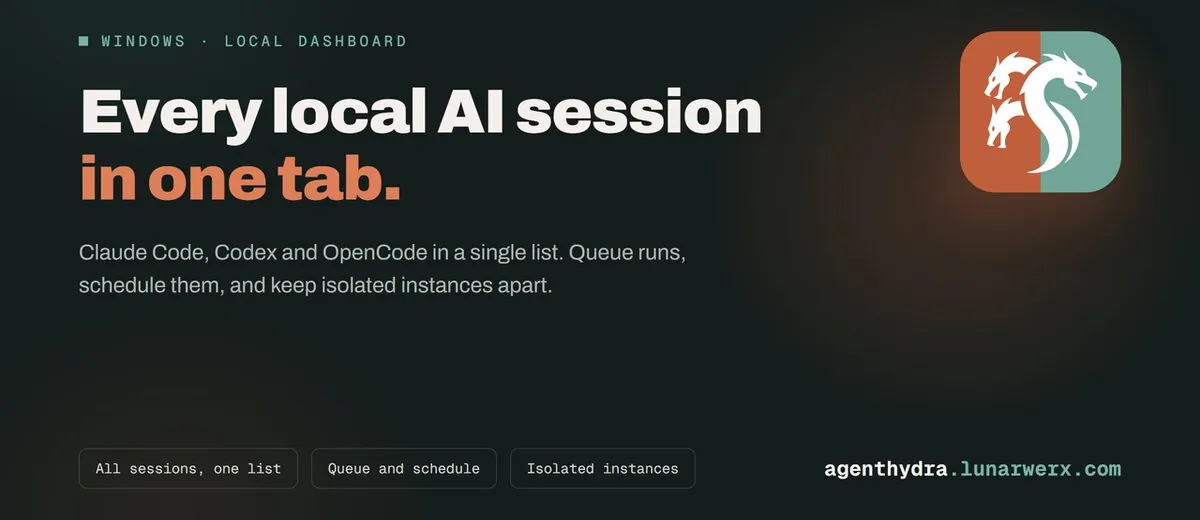
AgentHydra
Developer ToolFree · MITEvery local AI coding session in one tab.
Every Claude Code, Codex and OpenCode session in one live list, plus a queue of runs you can schedule.
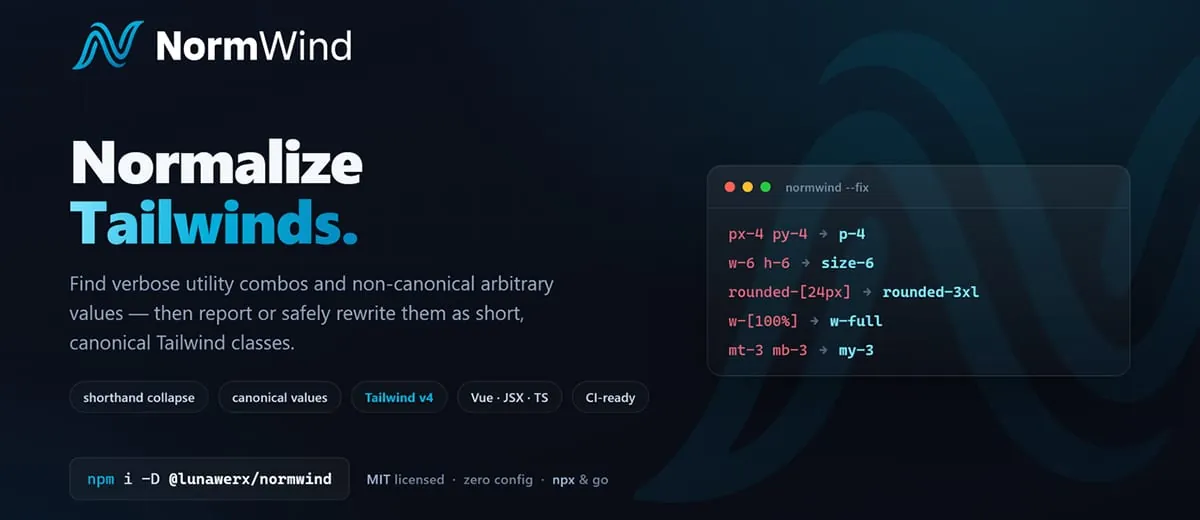
NormWind
npm Package & GitHub ActionFree · MITKeep your Tailwind classes clean and canonical.
A Tailwind auditor and safe autofixer that rewrites verbose utility strings into their shortest canonical form, across Vue, React and TypeScript.
AI and agent tooling
For people who code with AI: run and watch your agents, hand them work, and know when limits reset or models ship.

RēDesign
Developer ToolFree · MIT · your own AI keysReimagine any screen, ten AI models at a time.
Drop in a screenshot and get it redesigned by ten AI models at once: a wall of real, working HTML you can preview and compare.
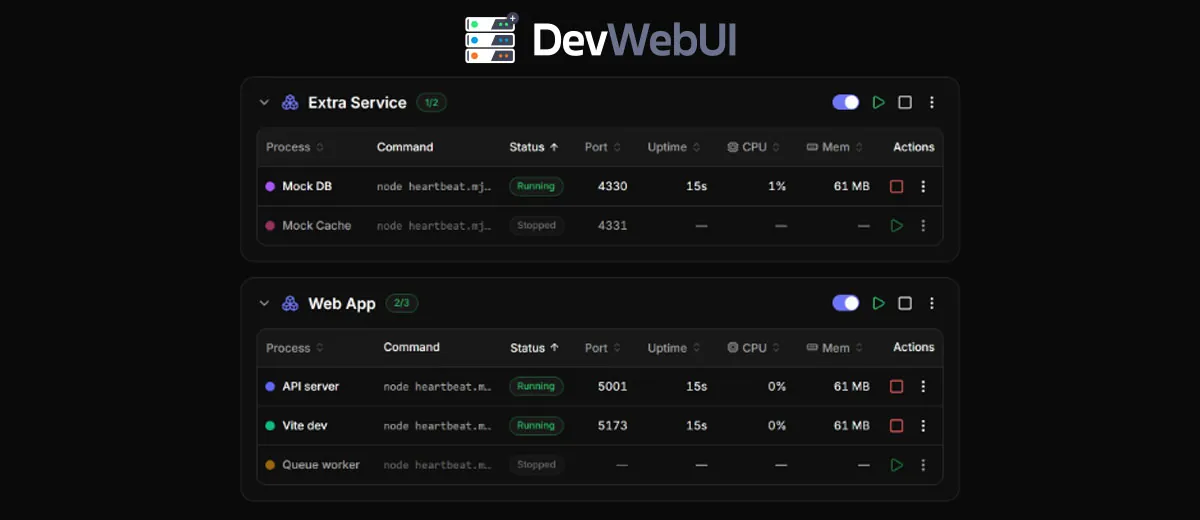
DevWebUI
Developer ToolFree · MITStop babysitting your dev servers.
One window for all your local dev servers: start, stop and restart in one click, with live CPU, memory and logs. Your AI agent can drive it too, over MCP.
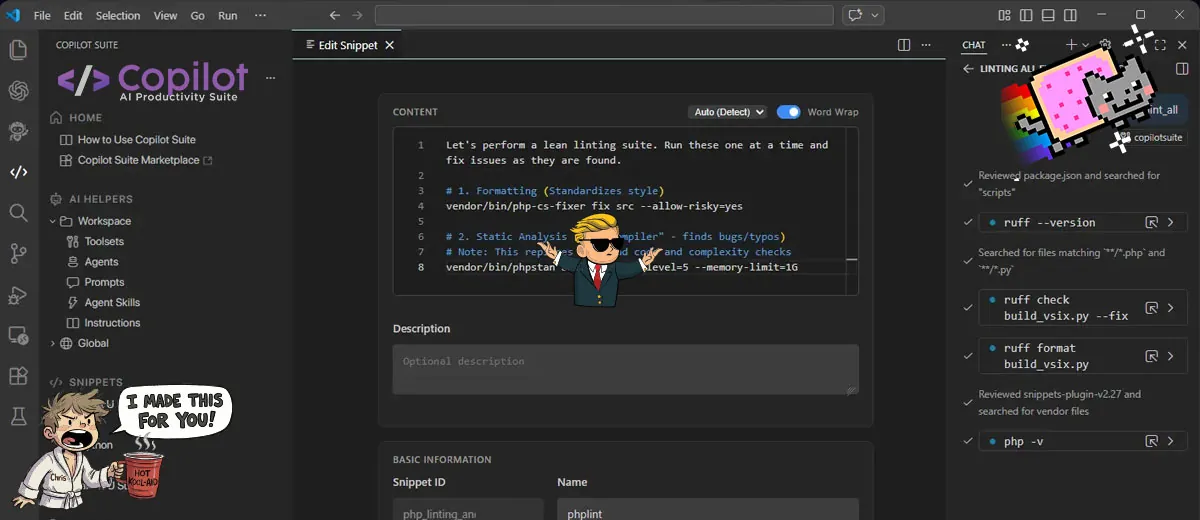
Copilot Suite
VS Code ExtensionFree · Premium upgradeTurn your snippets into Copilot tools.
Save code as reusable snippets and inject them into Copilot Chat, with folders, sharing, toolsets and an MCP server bridging Claude Code and Codex.
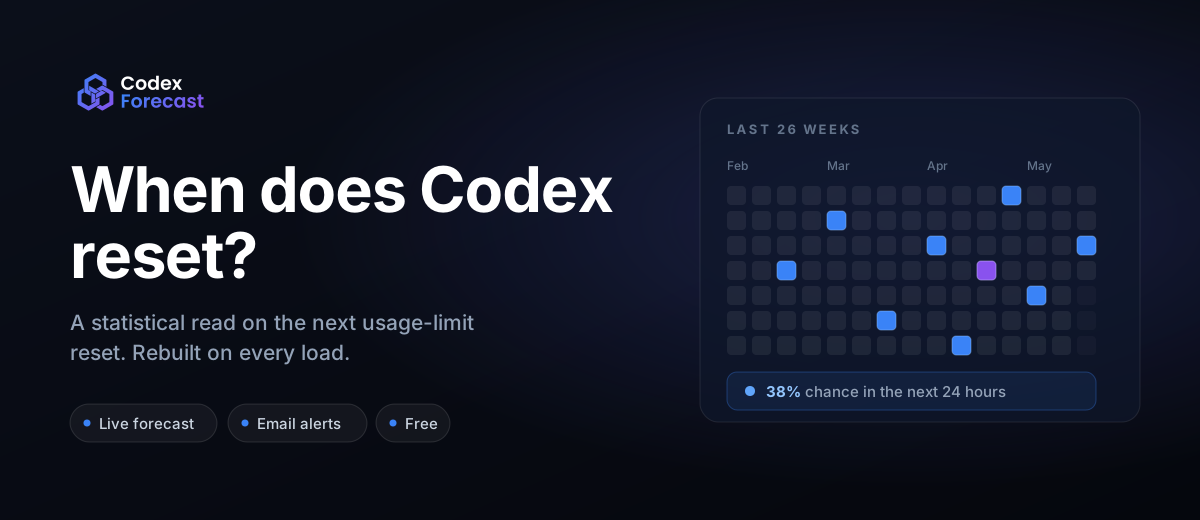
Codex Forecast
Live ToolFreeWhen does OpenAI reset Codex limits?
A statistical read on the next Codex usage-limit reset, rebuilt on every load from the public record and the OpenAI status feed. Free email alerts.
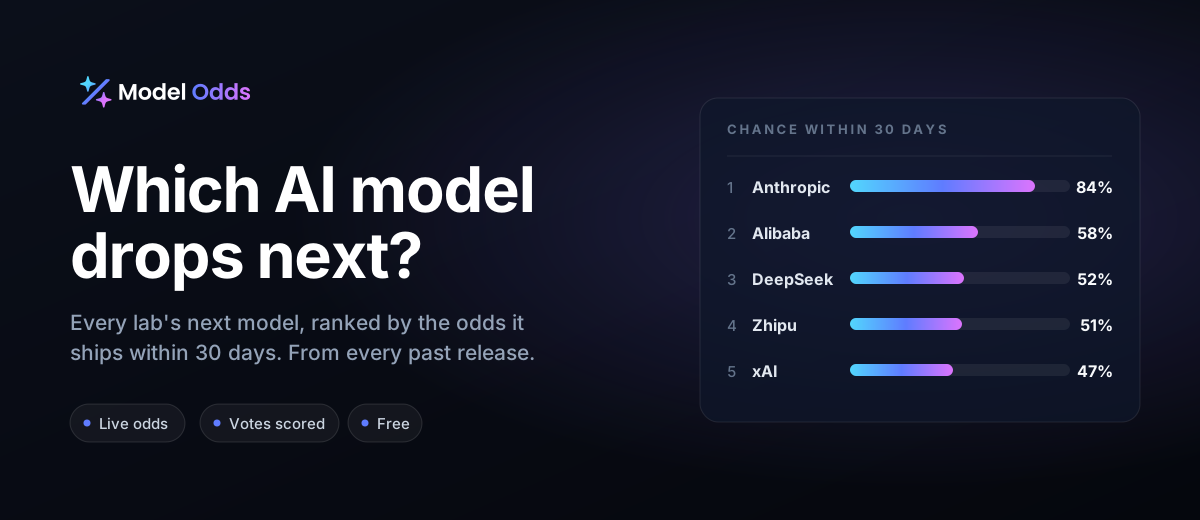
Model Odds
Live ToolFreeWhich AI model drops next?
Every model family from twelve AI labs, ranked by the chance of a release within 30 days and given a likely date, from every past launch.
Developer tools
Libraries, command-line tools and editor add-ons for everyday development.
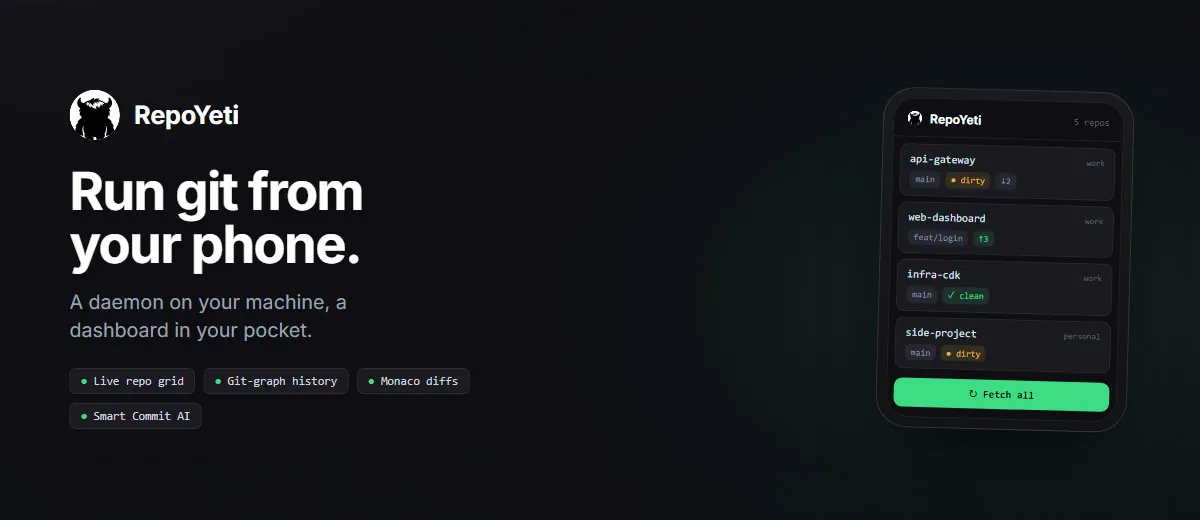
RepoYeti
Developer ToolFree for personal use · work US$79Push a hotfix from your phone.
One program for Windows, Mac or Linux that puts your local git repos on your phone: live status, a commit graph and diffs. Reach it on your own network or through a private tunnel; AI commits use your own key.
AnatomyOf
Web AppFree · MITEvery language's source code, annotated and explained.
An interactive tour through source code in 48 languages, with clickable callouts that explain imports, classes and control flow.
RoloDexter
Python & TypeScript PackageFree · MITMessy contact data, mapped to one clean schema.
Takes contact lists from any CRM, spreadsheet or export and lines every column up with one clean set of 62 fields, with a confidence score on every match.
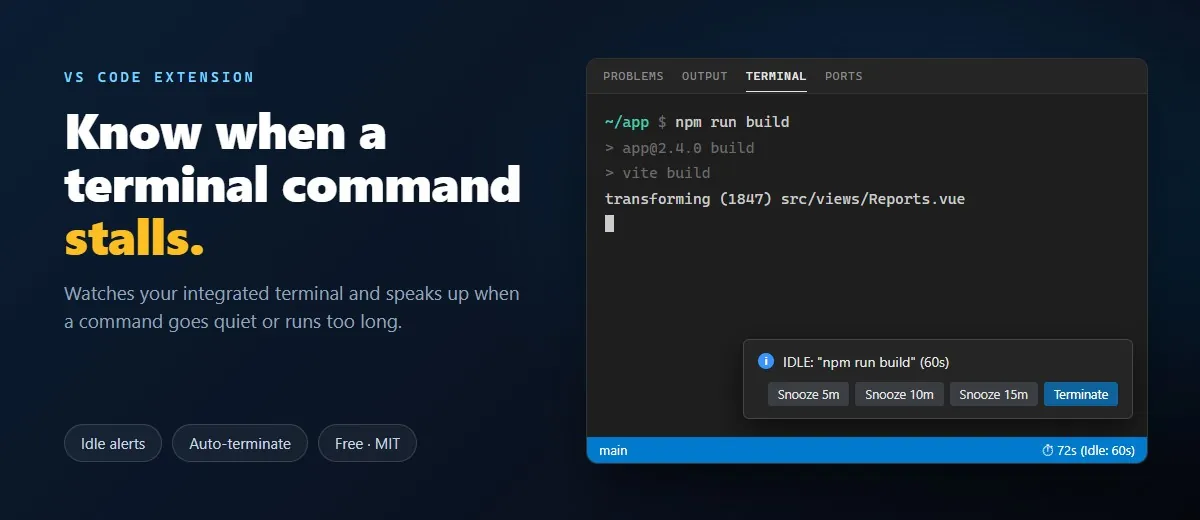
Copilot Terminal Monitor
VS Code ExtensionFree · MITKnow when a terminal command stalls.
Watches your VS Code terminal and alerts you when a command stalls or overruns, with auto-terminate, snooze and status-bar timers.
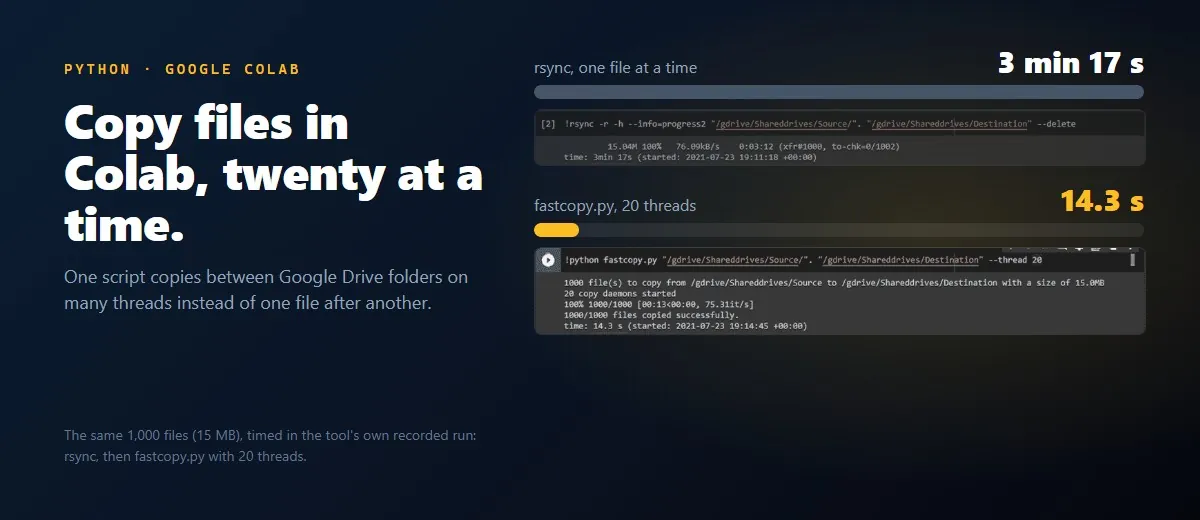
FastColabCopy
Python ScriptFree · MITCopy files in Google Colab, many at once.
Transfers files inside Google Colab 10 to 50 times faster by copying in parallel across threads instead of one file at a time.
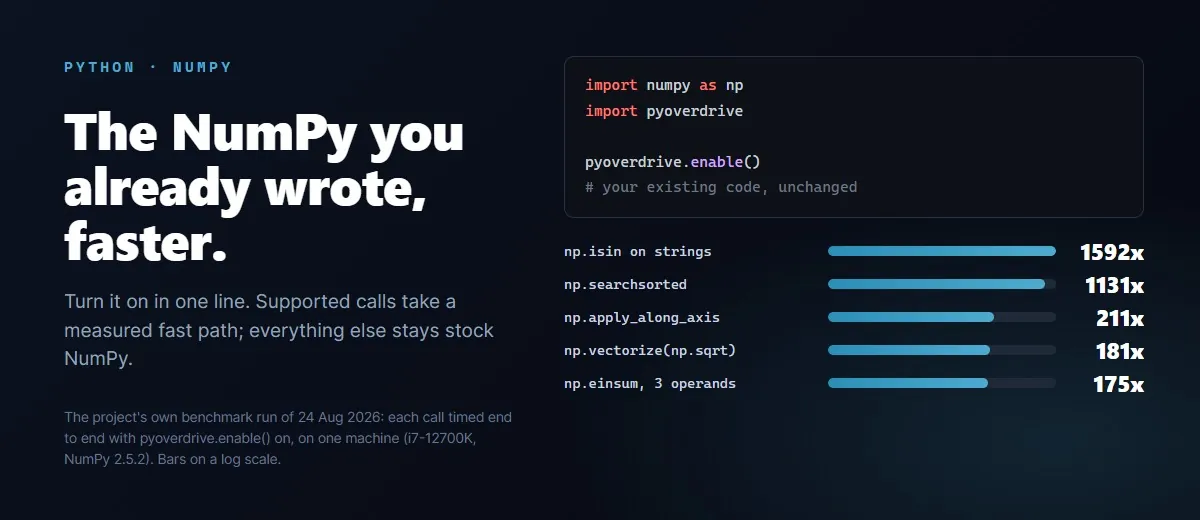
PyOverdrive
Python LibraryFree · MITThe NumPy you already wrote, faster.
Call pyoverdrive.enable() and supported NumPy calls take measured fast paths, such as np.isin on strings 1592 times faster in its own benchmark run. Everything else runs stock NumPy.
Desktop and everyday utilities
Small tools that each fix one everyday annoyance, on your computer or in your browser.
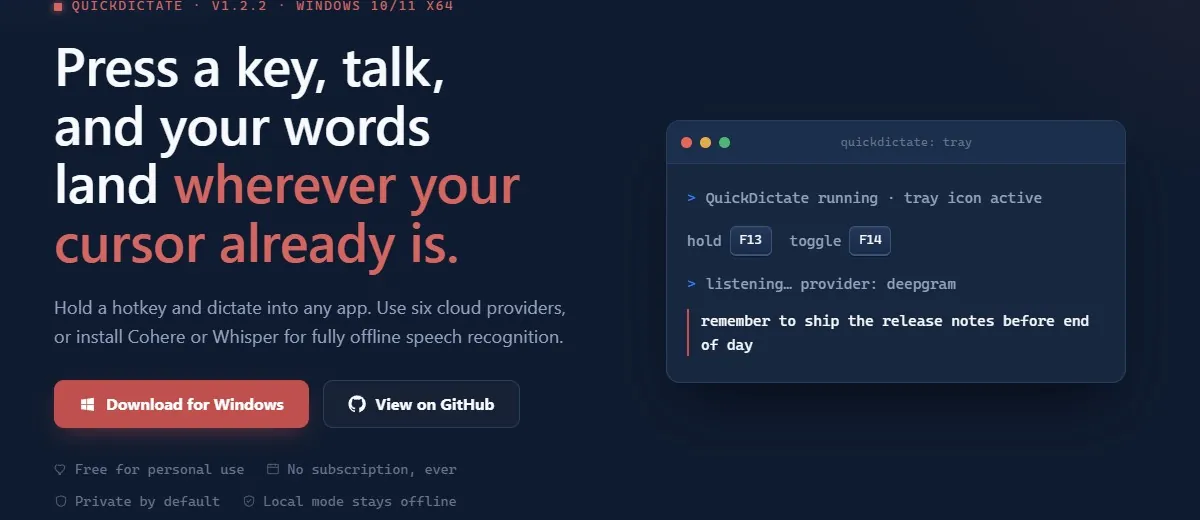
QuickDictate
Windows UtilityFree for personal use · work from US$1.99/moDictation for every app on your PC.
Hold a key, talk, and your words are typed wherever your cursor is, in any app. Runs offline with a local model, or with one of six cloud providers.
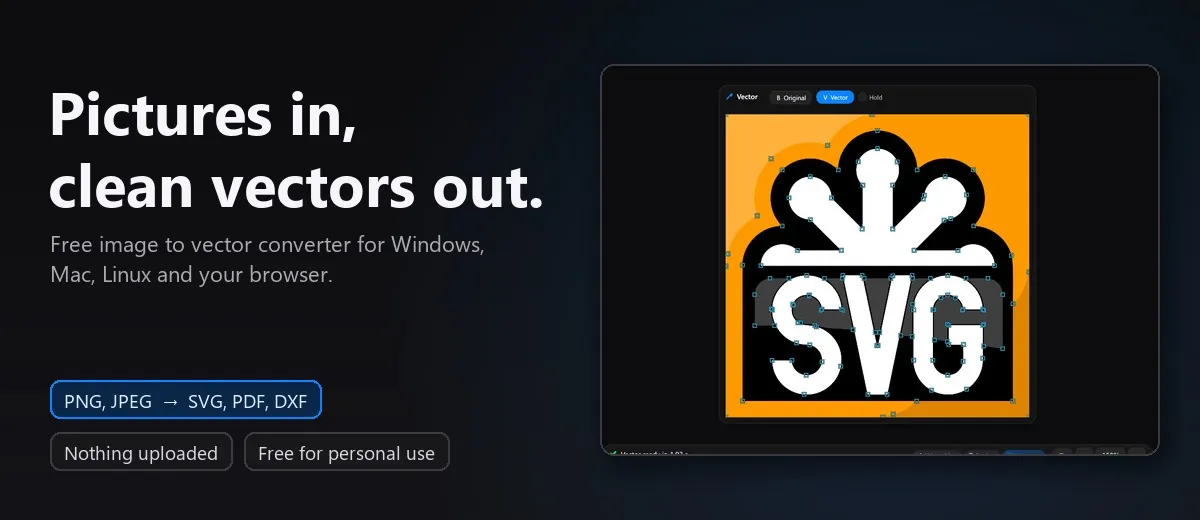
VectorMagik
Desktop & Web AppFree for personal use · work US$9/moPictures in, clean vectors out.
Traces logos, pixel art and photos into clean SVG, PDF, DXF and more, and converts Photoshop, Illustrator, EPS and PDF files just as they look. Windows, Mac, Linux or your browser, with nothing uploaded.
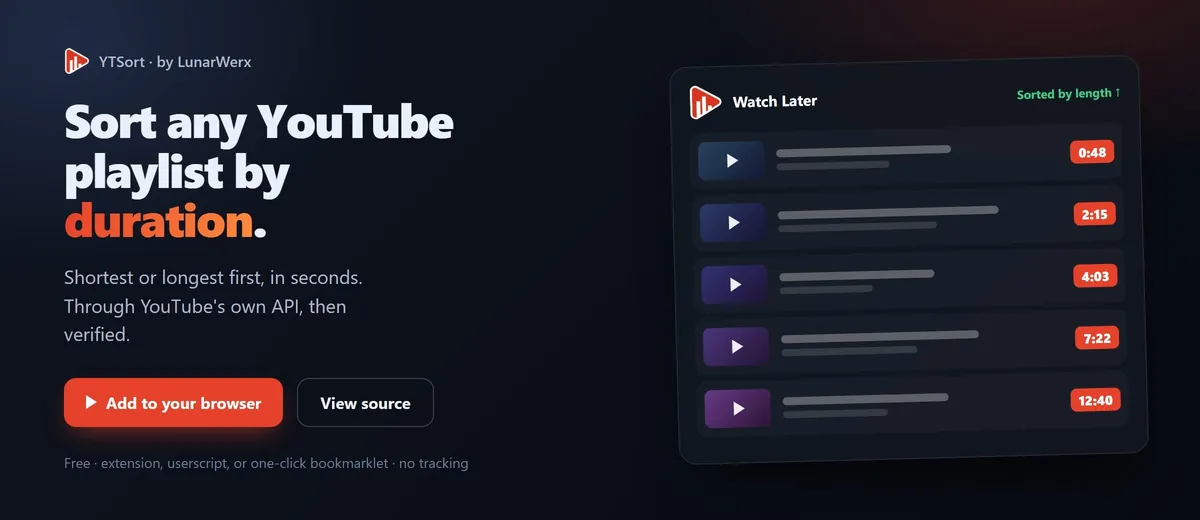
YTSort
Browser ExtensionFree · GPL-2.0Sort any YouTube playlist by length, in seconds.
Reorders any YouTube playlist you own by video length through YouTube's own API, then re-reads it to prove it worked.

Watcharr
Web AppFree for personal useYour IMDb list, straight into Radarr and Sonarr.
Paste a public IMDb list and get two links back that Radarr and Sonarr add as lists of their own and check every few minutes. Sign in, free, and your list keeps refreshing.
Apps and platforms
Web apps and platforms we host and run for you.

Glimmer Anti-Cheat
Anti-Cheat ServiceFree trial · from US$1.99/moAnti-cheat on demand for your game server.
Send a player a link: they run one small program, and your staff get a clear report of what it found and what it could not check. Nothing stays installed and no files leave the PC. FiveM, Minecraft, Rust and more.
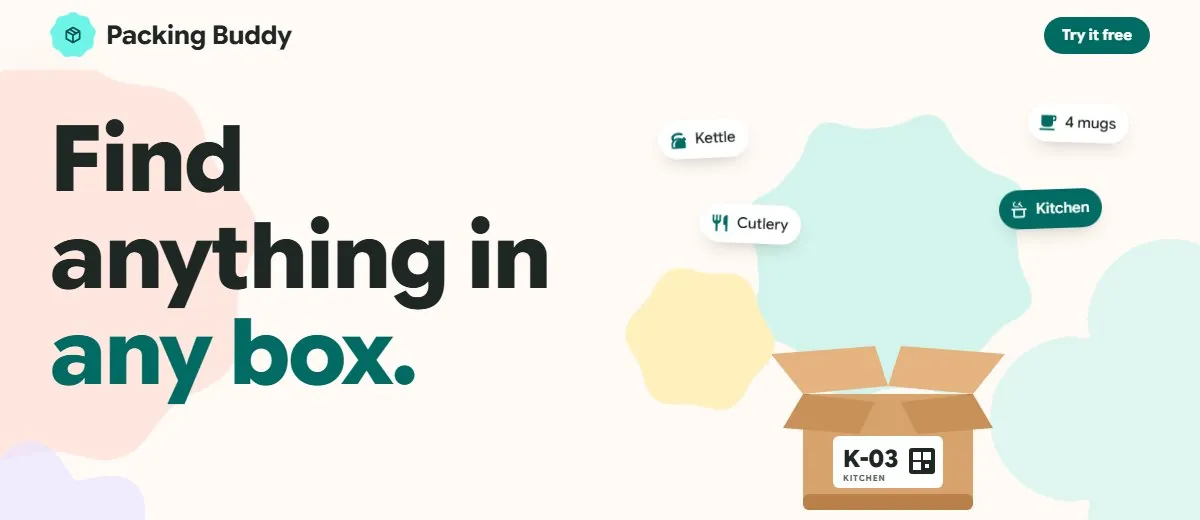
Packing Buddy
Mobile & Web AppFree plan · Plus US$12.99/moFind anything in any moving box.
Snap photos of what goes in a moving box: AI lists the items, picks the room and prints a coded label. When you unpack, search to find which box has what. On your phone or the web, in 30 languages.
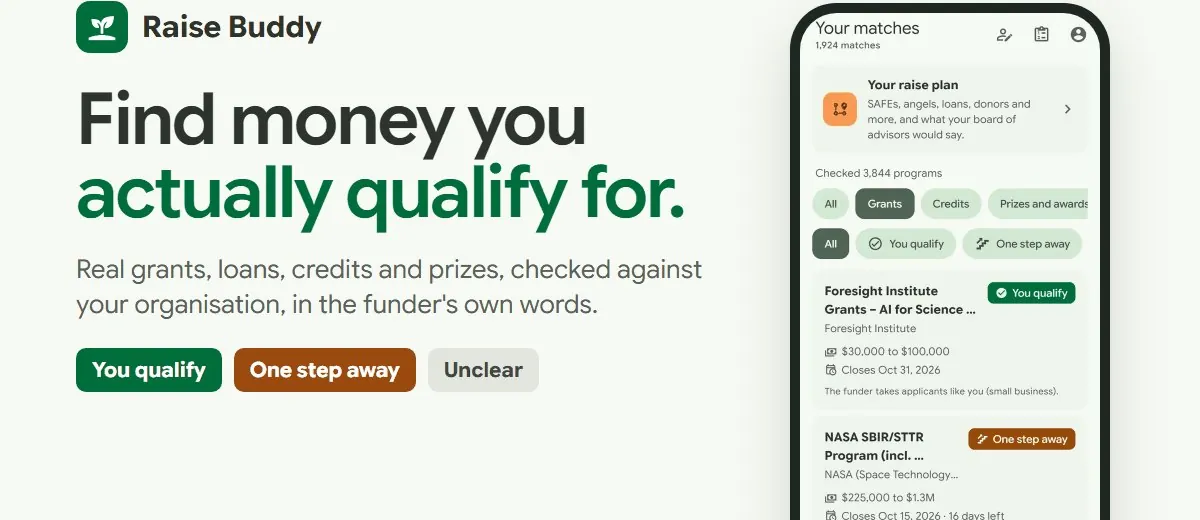
Raise Buddy
Web AppFree plan · Plus US$14.99/moFind money you actually qualify for.
Paste your website or say what you do, and Raise Buddy matches you to real grants, loans, credits and prizes, read from the funders' own sources, and says whether you qualify in the funder's own words.
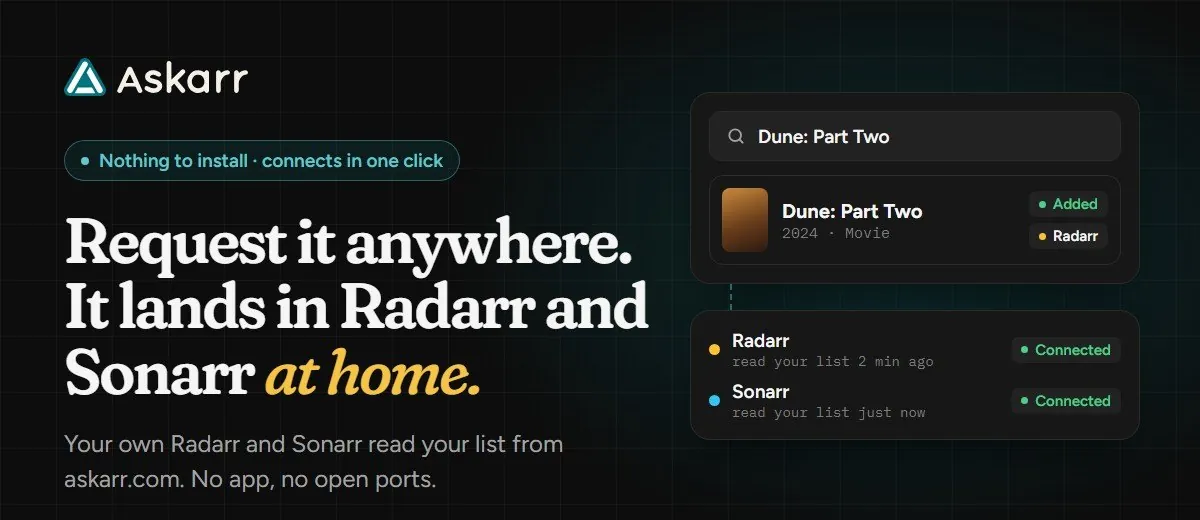
Askarr
Web AppFree plan · Plus US$3.99/moRequest it anywhere. It lands in Radarr and Sonarr.
Search any movie or show from your phone or browser, or paste a TMDB, IMDb or TVDB link, and your own Radarr and Sonarr add it. Nothing to install, and your server never faces the internet.
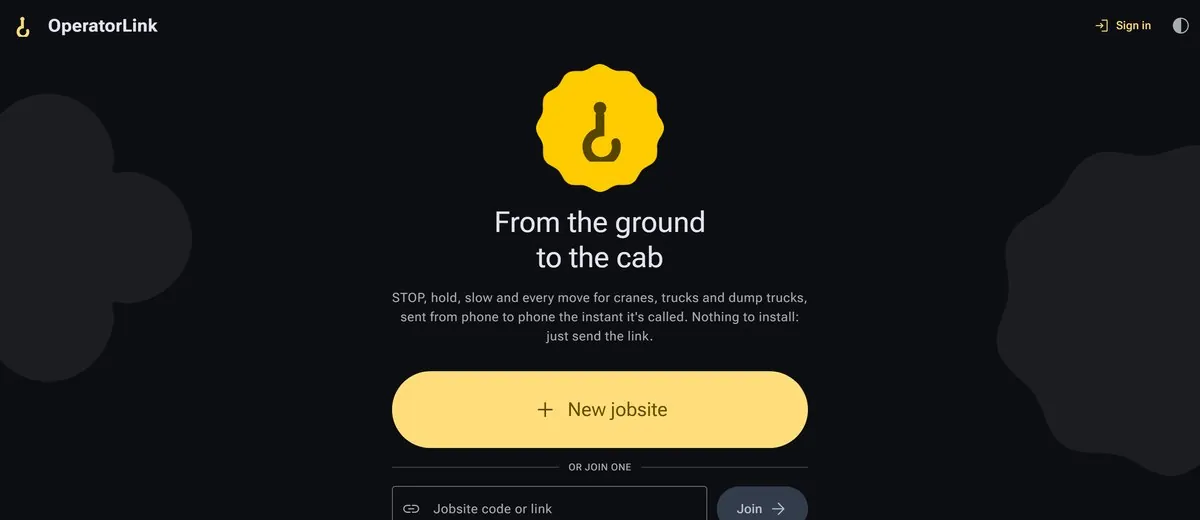
OperatorLink
Web AppFreeSignals from the ground to the cab.
STOP, hold, slow and every move for cranes, trucks and dump trucks, sent from phone to phone the instant it is called, with chat and hands-free voice. Nothing to install: just send the jobsite link.

Postal Buddy
Mobile & Web AppFree for Mom · Plus US$9.99/moMom's mail, handled.
She snaps a photo of each letter and Postal Buddy tells her, in big print and out loud, what it is and what to do: a bill and its due date, or a letter that looks like a scam. Her family gets a Monday summary.
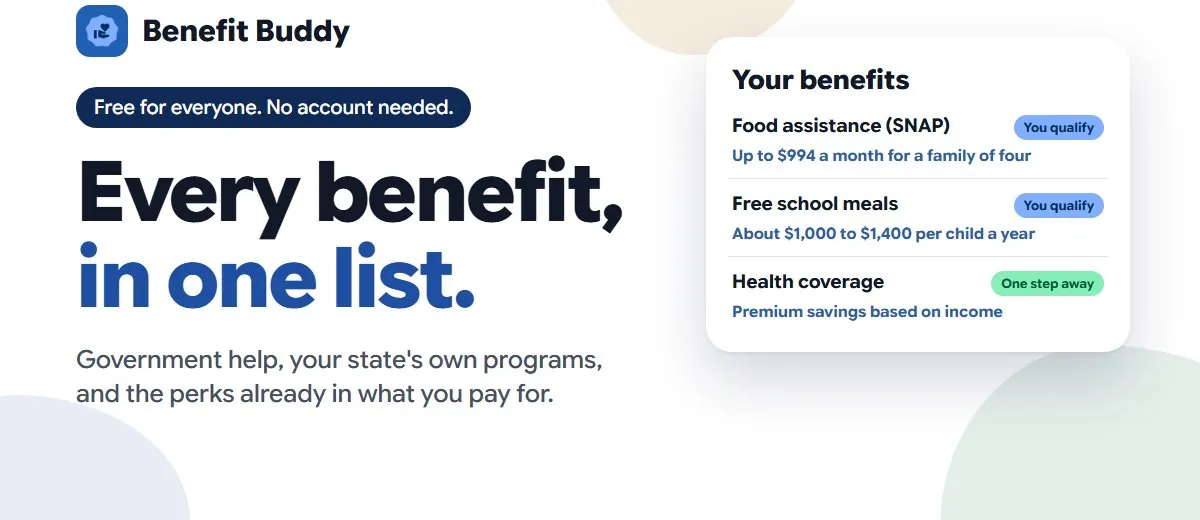
Benefit Buddy
Web AppFree · No account neededEvery benefit, in one list.
Tell it about your household and it lists every benefit you could be using: government programs, your state's own, and the perks already in your health plan, insurance, cards and job.
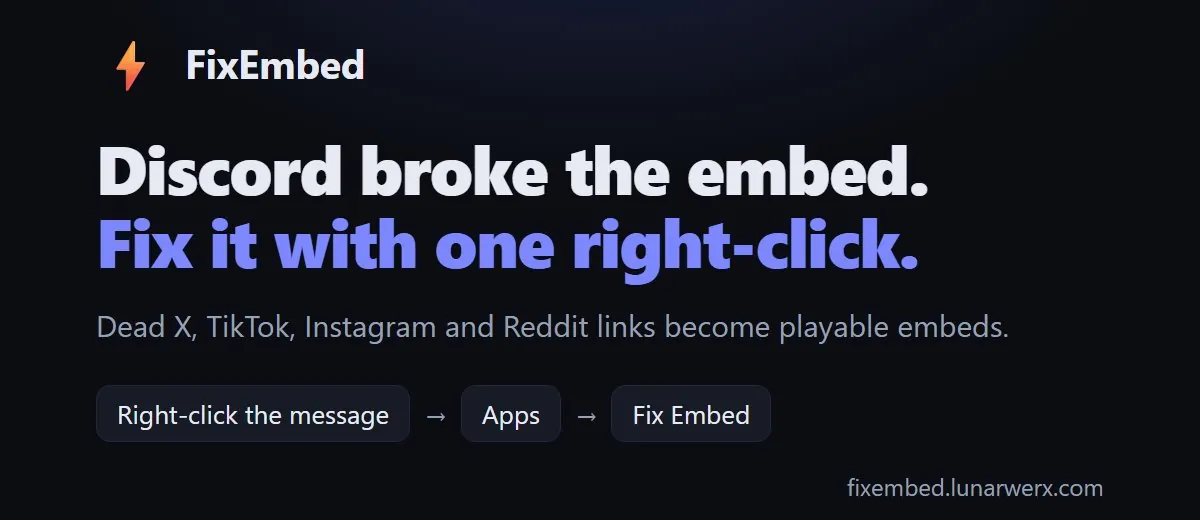
FixEmbed
Discord AppFreeBroken Discord embeds, fixed with one right-click.
Right-click a message, choose Apps, then Fix Embed: a dead X, TikTok, Instagram or Reddit link becomes a playable embed in any server, DM or group chat.

Accredited Capitalists
Members PlatformFirst evening free · Membership by applicationHouston's private investor evening, and the platform that runs it.
A private monthly evening in Houston for about forty accredited investors, founders, family offices and operators, with the member platform behind it: applications, billing and events.
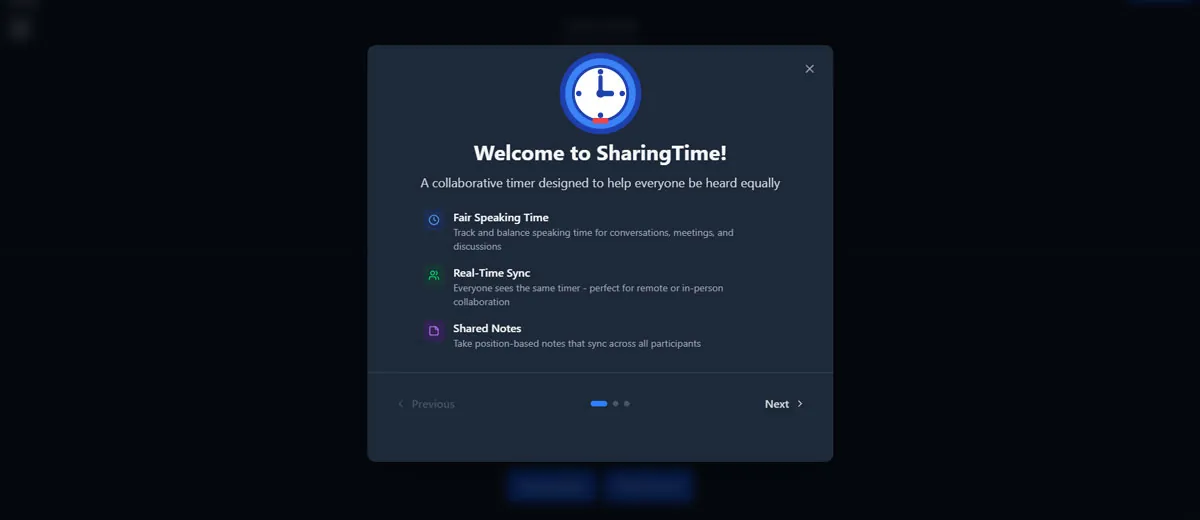
SharingTime
Web AppFreeFair speaking time for every conversation.
A collaborative speaking timer that keeps talk-time balanced across a group, built for couples, families, and teams who want every voice heard.
Why build it this way
Three ways teams usually solve the same problems LunarWerx products solve, and how the studio model differs.
vs. hiring a software agency
An agency builds what a client pays for and hands it over. LunarWerx keeps all 29 of its products and runs them long-term. No contracts, no billable hours.
vs. building it yourself, in-house
Build it in-house and you own its bugs, its hosting bill and its upkeep forever. Most LunarWerx products are free as-is, trading build time for someone else's roadmap.
vs. paying for separate SaaS subscriptions
A dev dashboard, a git-status app and a Tailwind linter are usually three monthly bills from three companies. Here they are free, self-hosted or browser-run, with no lock-in.
Point your assistant at it
A free, public MCP server. No account, no API key, nothing to install. One line and your assistant has two more tools.
claude mcp add --transport http lunarwerx https://lunarwerx.com/mcpAny MCP client works: Streamable HTTP at lunarwerx.com/mcp, or plain HTTP from /api/tailwind/canonical.
tailwind_canonicalize
Rewrites a Tailwind class into its canonical short form, so p-[1rem] becomes p-4 and rounded-[24px] becomes rounded-3xl. The answers come from a table of 12,438 replacements generated by asking Tailwind's own design system, not from a hand-kept list.
lunarwerx_find_tool
Searches this catalog by task, so "git from my phone" returns the product that does it and where to get it. Products with their own MCP server say so.
9 LunarWerx products ship their own MCP servers too. Docs: /mcp.md. Listed in the official MCP registry, on Smithery, and on Glama.
Questions people ask
The direct answers, no digging required.
Is LunarWerx free?
For personal use, yes, and most tools are MIT-licensed open source. Four need a paid licence for work use: SageThumbs 2K (US$2.99 a month per PC, or US$49 once with 12 months of updates), RepoYeti (US$79 per installation), QuickDictate (US$19.99 once or US$1.99 a month) and VectorMagik (US$9 a month per person). Work use means anything that earns money, even a one-person shop such as an Etsy store. Tools that call an AI service use your own key, and we never take a cut.
Is it self-hosted or cloud?
Local-first. The tools run on your own machine or inside your browser tab with nothing uploaded, and optional cloud features stay off until you turn them on. The web apps and the two live forecasts are hosted by us.
Does LunarWerx have an MCP server?
Yes, a free public one at https://lunarwerx.com/mcp, with no account and no key. Add it to Claude Code with "claude mcp add --transport http lunarwerx https://lunarwerx.com/mcp". Nine LunarWerx products ship MCP servers of their own as well: AgentHydra, RēDesign, DevWebUI, Copilot Suite, RepoYeti, SageThumbs 2K, Connections, Packing Buddy, and Raise Buddy.
Are LunarWerxs, Lunarwerx and @lunawerx all LunarWerx?
Yes. Most source lives on the LunarWerxs GitHub account, and npm packages publish as @lunawerx: NormWind is @lunawerx/normwind, and its npm page links back to github.com/LunarWerxs/NormWind.
An Independent Studio
One rule: only build things worth using. No clients, no briefs. We design, ship and operate every product ourselves.
Come talk to us
Questions, bug reports, feature ideas, or showing what you built with one of these: the Discord has a channel for every product, and the people who wrote them are in there.
Not for hire, not fundraising. But if you're building something worth talking about, email works too.